Most arguments at a table aren't really about the rules. They're about a fraction of an inch that one player assumed and the other never agreed to.
In Malediction, nearly all of those disputes can be headed off with one habit: declaring intent.
It costs a few seconds. In return, it protects both players from the moments that sour a game, whether you're learning your first Seeker or playing for a top table.
Declaring intent works because Malediction hides very little.
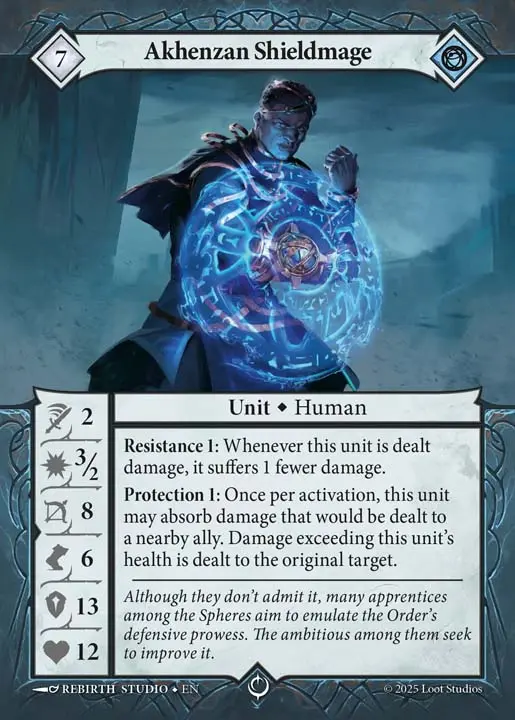
Every unit's stats, from Speed and Range to its keyword abilities, are printed on a card that either player can ask to see at any time. Apart from the cards in hand, the whole state of the game is public.
That means your opponent can already work out what your units are able to do. Telling them what you're trying to do gives nothing away. It simply makes sure you're both reading the same board.
The same openness cuts the other way. Before pushing a unit into range of an enemy, ask to see that enemy's card.
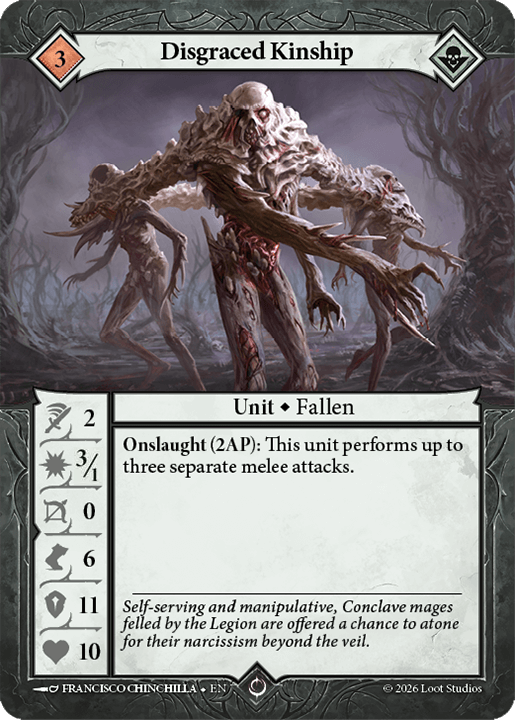
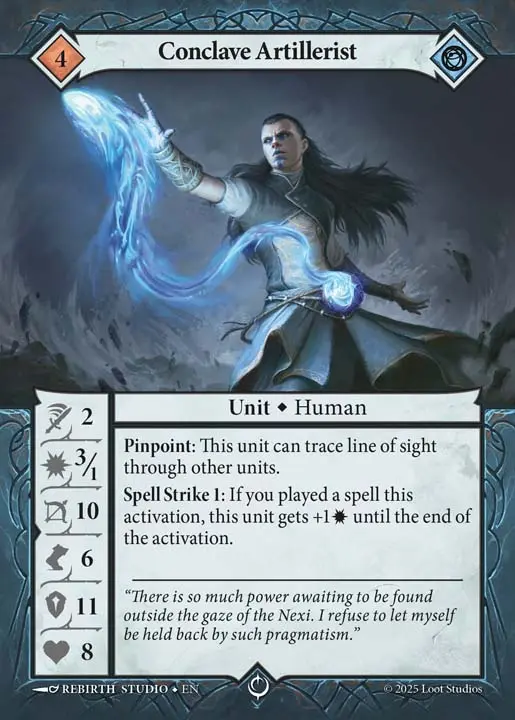
A model that looks harmless can turn out to have Onslaught or a longer threat range than you remembered, and it's far better to find that out before the move than after it.
A clean example comes from a recent tournament game.
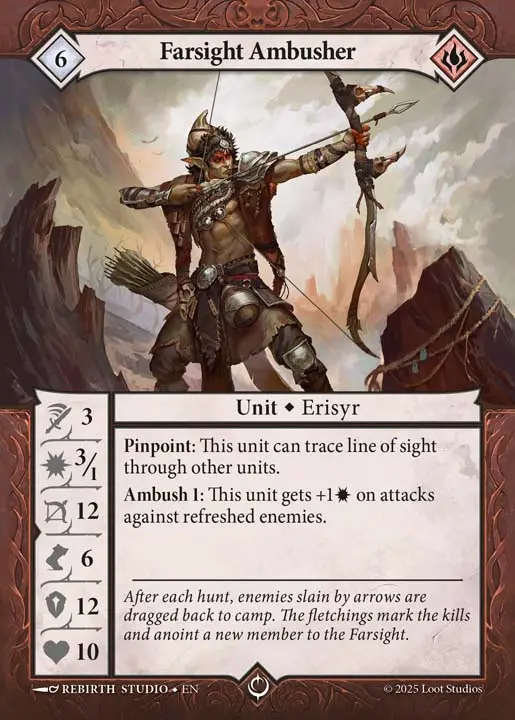
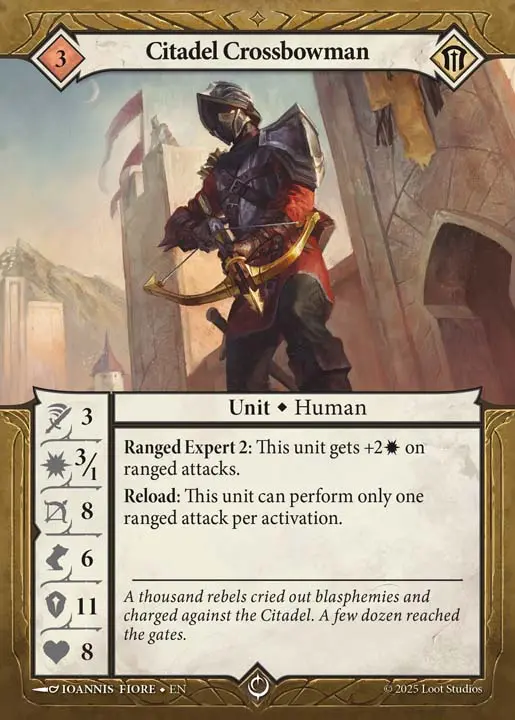
An Auric Evenhand player wanted to tuck a Farsight Ambusher out of sight of a Citadel Crossbowman and a Valcarist Priest.
The Crossbowman has a Speed of 6. So the goal was a spot where, even after a full 6 inch move, the Crossbowman still couldn't draw line of sight to the Ambusher.
Rather than placing the model and hoping he had placed the Ambusher in the right spot, the Auric player stated the goal, confirmed the Ambusher had enough movement to reach the spot, and asked to agree on a position.
We checked with a laser, where it could not be seen and both players signed off before the model moved. When the Crossbowman activated later, there was nothing left to argue about.
Declaring intent pays off in three areas: measurement, line of sight, and positioning.
Each one is a place where a fraction of an inch decides the outcome. Each is also a place where two players looking from opposite sides of the table can honestly see different things.
Husks are valuable relics and Mastery which means claiming them is very important. Units need to be within 1 inch to claim them, that makes some placements very precise.
A unit with a Speed of 5 can cover 10 inches with two Move actions, which puts any Husk within 11 inches of its starting point inside claiming range.
Placing a Husk at 10.8 inches from a deployment zone is legal and deliberate, but the margin is only a couple of tenths of an inch.
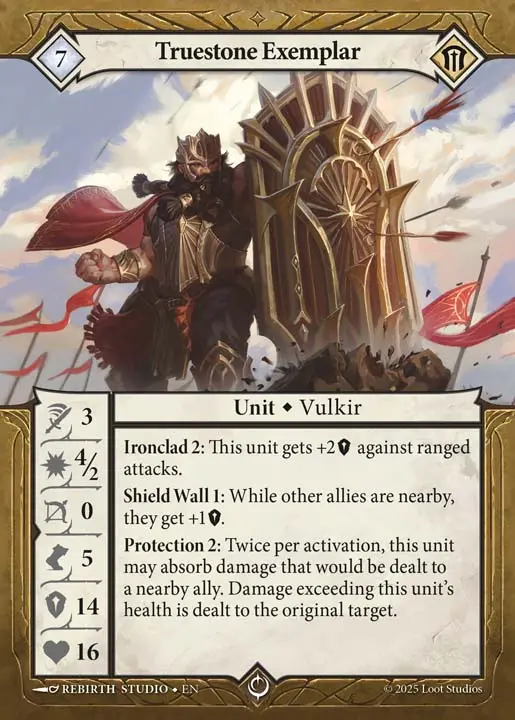
A margin that small can vanish in the moment of moving a model by hand. The fix is to say why the Husk is going there and have both players agree, at placement, that a 5 inch movement unit can double move into range of it.
When that turn comes, there's nothing to re-measure and nothing to dispute.
Line of sight is critical in a miniature game. Units, Husks, and tall terrain all block it, so hiding behind them is a core defensive tool.
The trouble starts when only one player knows that's the plan.
You position a unit carefully, check it from your side of the table, and move on. Then your opponent activates a ranged unit, pulls out a laser, and finds a sliver of your base still showing.
The shot lands, the unit dies, and you feel cheated even though nothing improper happened.
The rules weren't the problem. The move was meant to break line of sight, but that was never said out loud, so the two players never agreed on it. A quick "I'm placing this so your Crossbowman can't see it, do we agree?" turns a potential argument into a ten-second check.
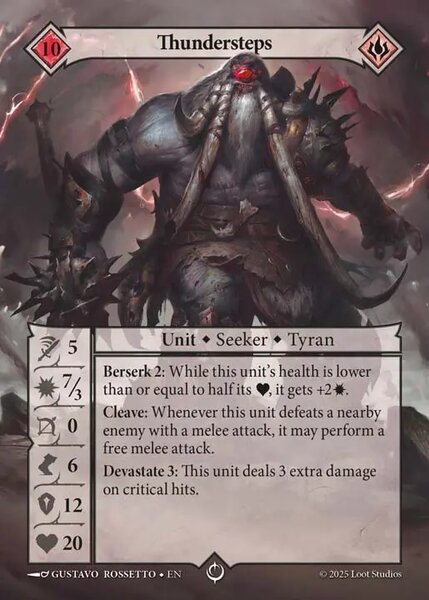
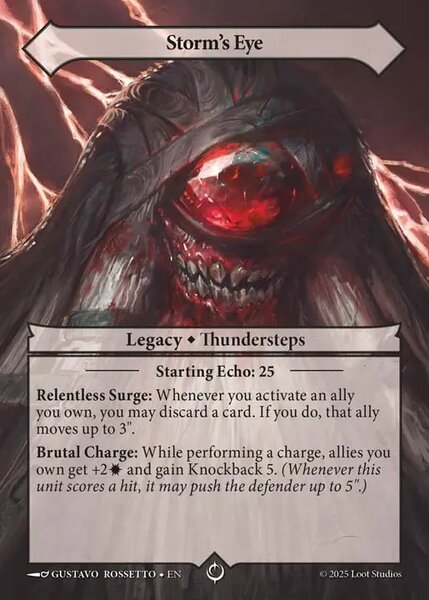
The same logic applies against melee threats such as Thundersteps. A Charge requires line of sight to its target, so a unit that's properly hidden is also safe from being charged, and confirming that in advance is worth the time.
A unit can't claim a Relic while an enemy is nearby the same Husk.
That creates one of the most common plays in the game: move within 1 inch of a contested Husk to block your opponent from claiming it, while staying more than 1 inch away from the enemy unit already standing there.
Done right, it produces a standoff. Neither unit is engaged, so neither can simply attack the other, and neither player can claim.
Done slightly wrong, it backfires. Drift within 1 inch of the enemy and your unit is engaged. Your opponent can then attack, perhaps boosted by a spell like Adrenaline Rush, remove your unit, and claim the Husk anyway.
The same idea works against an enemy Seeker sitting on a Husk. Moving in close enough to deny the claim, but just outside 1 inch of the Seeker, forces your opponent to spend a move before they can hit you. Saying exactly that before you place the model, and checking the distance together, protects the whole point of the move.
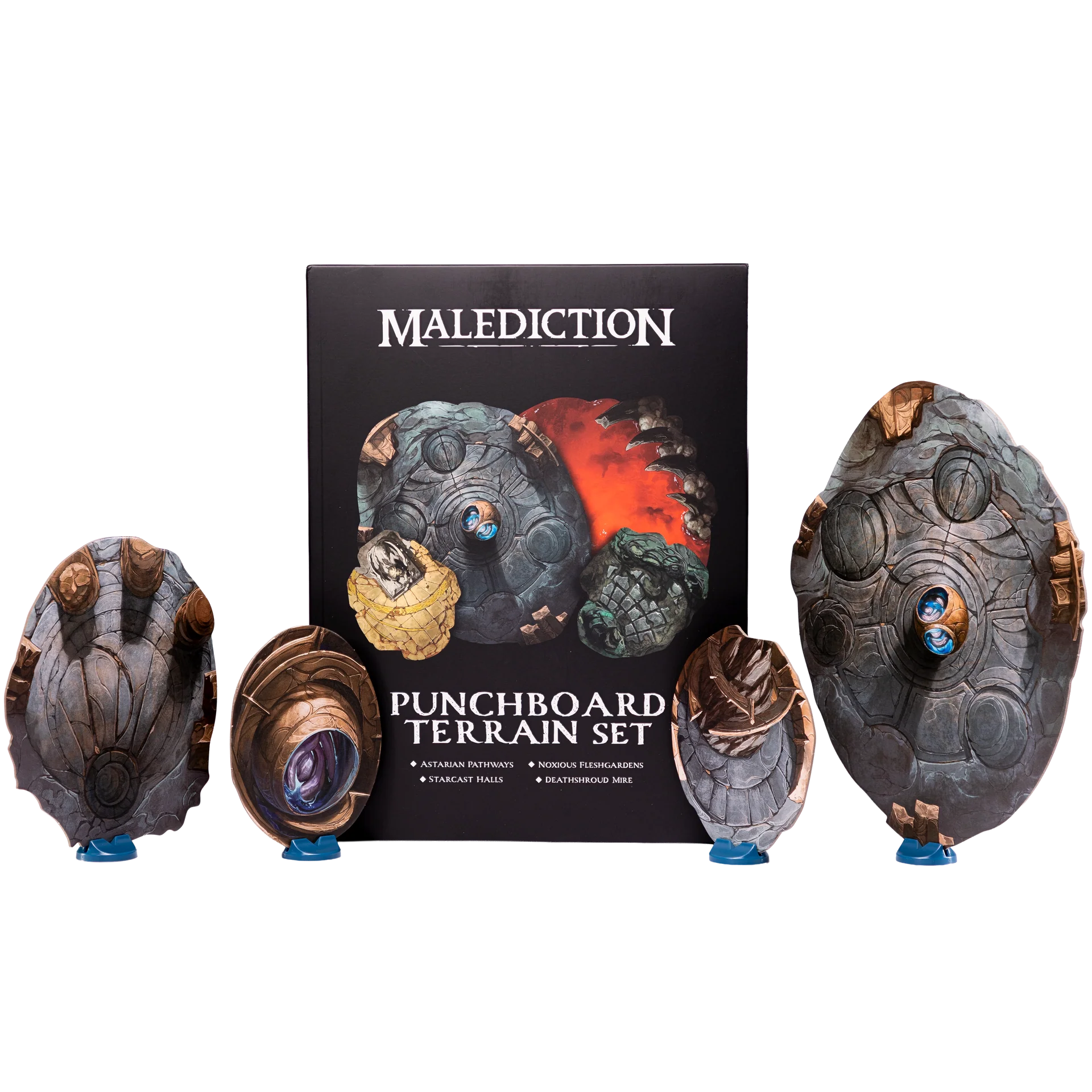
Terrain adds its own layer of ambiguity. Some pieces leave gaps that a large base can squeeze through on the 3d printed version of the terrain but not on the cardboard version, ...looking at you Starcast Halls.
Medium bases can run into the same problem. A Tarok Beast, with a Speed of 10, can cover 20 inches in a double move, but only if its base fits through every gap along the way or where it wants to end up.
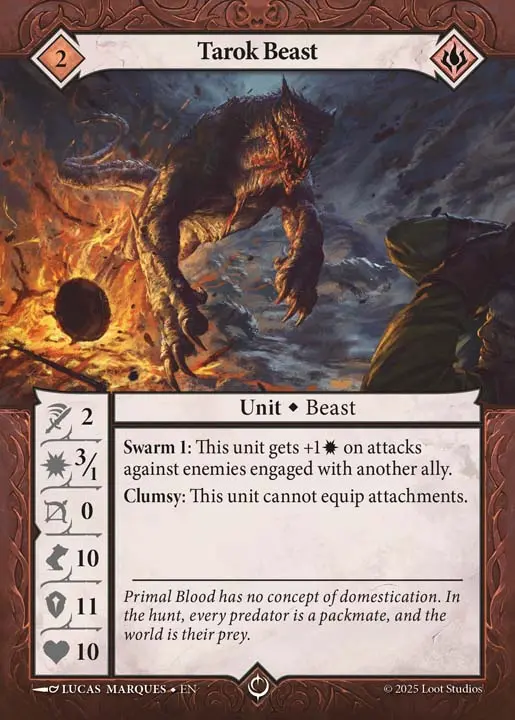
When a path is tight, state where the model is meant to end up and why, whether that's within 1 inch of a target to attack or tucked just outside of 1 inch in a corner. Then take out a spare base of the right size and test the gap together.
If the model is simply set down and your opponent objects afterward, it becomes an argument, and nobody enjoys that.
Declaring intent also invites cooperation and the opportunity to be a good opponent.
When a planned path turns out not to work, because a large base won't fit through a gap, the opponent can often point to an alternate route that reaches effectively the same spot.
In a casual game, offering that kind of help is part of making the game good for both players.
In competitive play the habit matters more, not less. When both players are trying to win, a shared, agreed picture of the board is what lets each of them plan properly.
Malediction is adversarial, but playing it well is a joint effort. Clear intent is the easiest way to make sure a game is decided by decisions, not disputes.
These findings are hereby entered into the Grand Archive.